If you love the idea of waking up near the Columbia River, walking to dinner, and skipping most of the exterior upkeep that comes with a house, waterfront condo living in Vancouver may be worth a closer look. For many buyers, the appeal is not just the view. It is the mix of convenience, lifestyle, and location in one of the city’s most visible growth areas. In this guide, you’ll get a practical look at pricing, HOA costs, rental rules, and the tradeoffs that come with buying a waterfront condo in Vancouver, Washington. Let’s dive in.
What Waterfront Condo Living Means
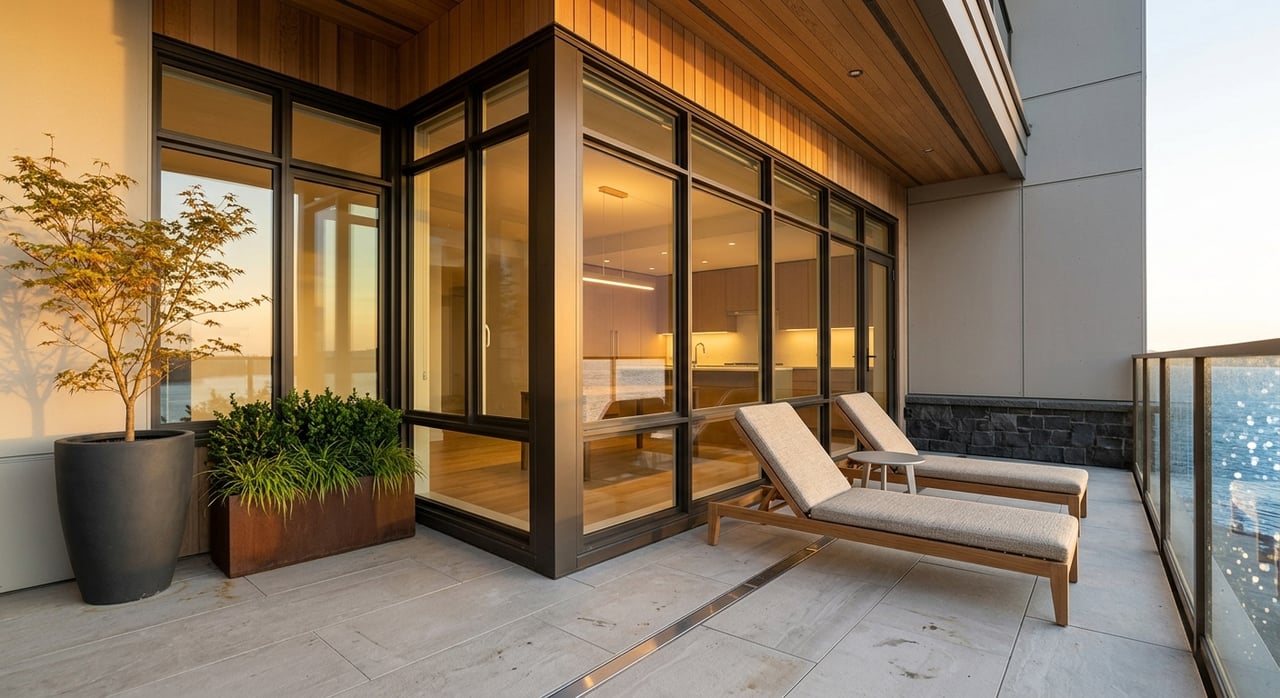
In Vancouver, waterfront condo living usually means more than one type of property. Some homes sit directly on or very near the Columbia River, while others are river-view condos in downtown-adjacent buildings like Columbia Shores, Tidewater Cove, and Kirkland Tower. The broader waterfront area is part of a mixed-use district that reconnects 35 acres to Vancouver’s historic core and may ultimately include up to 3,300 residential units along with office and retail space, according to the City of Vancouver Waterfront Development Project.
That matters because when you buy here, you are often buying into a lifestyle district, not just a standalone building. The area is designed around public spaces, dining, and walkability. Vancouver Waterfront Park adds to that appeal with its 7.3-acre riverfront setting, Grant Street Pier, connection to the Columbia River Renaissance Trail, open lawns, and nearby restaurants.
Why Buyers Like the Vancouver Waterfront
For many people, the biggest draw is convenience. A condo can give you a lower-maintenance home base near downtown Vancouver with easy access to the river, public paths, and dining options. That setup often appeals to downsizers, relocating buyers, and anyone who wants a more lock-and-leave style of ownership.
The waterfront is also still evolving. The city’s Waterfront Gateway project was amended in January 2026, and current city materials describe roughly 420 to 425 planned residential units, including about 100 affordable units. If you are considering a purchase here, future development matters because additional phases may affect views, activity levels, and the amount of available downtown riverfront housing.
What Waterfront Condos Cost
The price range for waterfront condos in Vancouver is wide. A downtown Vancouver condo study covering sales from July 2022 through July 2024 found a median condo sale price of $440,000 across 65 sales. In that same study, 41.5% of condo sales were below $400,000, while 23.1% were at $1 million or more, based on the Downtown Vancouver Redevelopment Assessment.
That local data helps frame expectations, but current asking prices show how much direct river views, newer construction, and building amenities can change the number. In practice, entry-level river-adjacent condos can still show up in the low-to-mid $300,000s, while luxury riverfront residences can range from about $1 million into the multimillion-dollar tier.
Current Price Examples
Here is a snapshot of active and recent examples from well-known waterfront and river-adjacent buildings:
| Building | Example Pricing |
|---|---|
| Columbia Shores | A 1-bedroom, 763-square-foot unit listed at $310,000, a 2-bedroom listed at $439,000, and a larger river-view unit sold for $736,000 in August 2025, according to this Columbia Shores listing example. |
| Tidewater Cove | Three condos currently for sale with a median listing price of $1.55 million, including asks of $1.35 million, $1.549 million, and $1.995 million, based on the Tidewater Cove market page. |
| Kirkland Tower | Five units currently listed at about $975,000, $1.009 million, $1.295 million, $2.4 million, and $3.299 million. The building has 40 residences and was built in 2022, according to this Kirkland Tower listing example. |
How Condos Compare to Houses
If you are choosing between a condo and a house in Vancouver, price alone may not settle the decision. Vancouver’s overall median home sale price was $485,000 in February 2026, while the downtown condo study found a median condo sale price of $440,000, according to the Vancouver housing market overview and the downtown redevelopment study.
That means condos are not automatically the bargain option. Instead, they tend to offer a different value: lower-maintenance ownership, central location, shared amenities, and in some cases premium views. A house may give you more privacy and direct control over the property, while a condo may give you more convenience and less day-to-day upkeep.
HOA Costs Matter More Than Many Buyers Expect
When you look at waterfront condos, the monthly HOA dues deserve as much attention as the list price. Recent listings show dues around $844 per month in Columbia Shores, $1,252 per month at Kirkland Tower, and $1,704 per month at one Tidewater Cove listing. Those costs may cover a mix of common-area maintenance, water, sewer, trash, road maintenance, concierge service, pool access, gym access, and shared rooms, based on listing details from the same Columbia Shores example.
This is one of the biggest decision points in the waterfront condo market. A lower purchase price does not always mean a lower monthly cost. Once you factor in dues, parking, storage, insurance questions, and the potential for future special assessments, the real cost of ownership can look very different from the asking price alone.
What to Review Before You Buy
A careful condo review should include:
- HOA dues and what they cover
- Reserve funding and reserve-study disclosures
- Any history of special assessments
- Pet rules
- Rental caps or leasing restrictions
- Parking and storage assignments
- Building insurance coverage for common elements and exterior areas
Under Washington condominium law, the association must provide a resale certificate within 10 days of request, and reserve-study disclosures are required in resale documents. If no reserve study exists, that must also be disclosed. For you as a buyer, this is important because it helps you understand the building’s financial health and readiness for major repairs.
Rental Rules Are Not Automatic
Some buyers consider waterfront condos for part-time use, long-term rentals, or occasional furnished rental income. That can work in some cases, but you should not assume every building allows it. Vancouver requires annual rental registration for residential rental properties inside city limits, and short-term rentals must obtain a business license and pay a $250 one-time permit fee, according to the city’s Rental Registration Program.
The building’s own CC&Rs may be even more restrictive than city rules. Before you buy with any rental plan in mind, confirm the association’s leasing policies, any rental caps, minimum lease terms, and whether short-term rentals are prohibited. This step can save you from buying a property that does not fit your intended use.
Flood and Insurance Questions to Ask
Because the waterfront and downtown core sit along the Columbia River, flood-related due diligence is part of the buying process for true riverfront properties. Clark County flood information notes that high river stages can affect downtown Vancouver and nearby lowlands. That does not mean every condo will face the same level of exposure, but it does mean you should ask specific questions early.
Focus on whether the building location affects lender requirements, whether flood insurance is needed or recommended, and how the association handles master insurance coverage. FEMA also notes that flood insurance may be available even outside high-risk zones, so this is worth reviewing with your lender and insurance provider as part of normal due diligence.
Is Waterfront Condo Living Right for You?
Waterfront condo living in Vancouver tends to fit buyers who care more about ease and location than yard space or total privacy. If you want a home near the river with less exterior maintenance, shared amenities, and access to downtown, a condo may check the right boxes. If you want full control over the property, outdoor space, or fewer shared rules, a detached home may be the better fit.
In simple terms, this is often a lifestyle purchase first. Limited inventory, premium views, monthly HOA dues, and ongoing development all play a role. The right choice usually comes down to how you balance convenience, budget, building rules, and your long-term plans.
If you are comparing waterfront condos, luxury towers, or river-adjacent options in Vancouver, a local strategy can make a big difference. The Curran Group offers thoughtful guidance for buyers who want clear market context, strong negotiation support, and a smooth process from search to closing.
FAQs
What does waterfront condo living in Vancouver, Washington usually include?
- Waterfront condo living in Vancouver usually includes either true riverfront condos or nearby river-view condos in downtown-adjacent buildings, with access to parks, restaurants, and walkable riverfront amenities.
What is the typical price range for waterfront condos in Vancouver?
- Based on current examples, river-adjacent condos can appear in the low-to-mid $300,000s, while established luxury and newer waterfront residences can range from around $1 million into the multimillion-dollar tier.
How much are HOA dues for Vancouver waterfront condos?
- Recent listings show HOA dues ranging from about $844 per month in Columbia Shores to $1,252 per month at Kirkland Tower and $1,704 per month at one Tidewater Cove listing.
Can you rent out a waterfront condo in Vancouver, Washington?
- Possibly, but you need to confirm both city regulations and the condo association’s rules, including rental registration, lease restrictions, rental caps, and any short-term rental limits.
Are waterfront condos in Vancouver cheaper than houses?
- Not always. Downtown condo data shows a median condo sale price of $440,000, while Vancouver’s overall median home sale price was $485,000 in February 2026, so the decision is often more about lifestyle and maintenance than a dramatic price difference.
What should you review before buying a Vancouver waterfront condo?
- You should review HOA dues, reserve funding, resale documents, pet and rental rules, parking and storage details, insurance coverage, and any potential flood-related requirements tied to the building or location.